
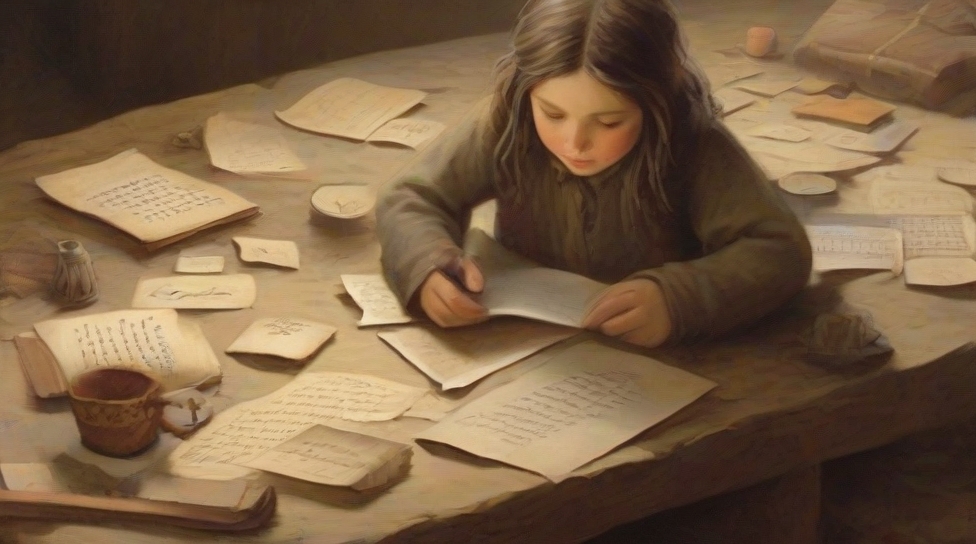
Epistolary novels, written in the form of letters, diary entries, emails, or other written documents, offer a unique and intimate storytelling experience. Let’s delve into the art and techniques of crafting compelling narratives using the epistolary form.
1. Embracing Uniqueness
Epistolary novels offer a distinct storytelling method, enabling authors to present narratives through diverse perspectives, voices, and emotions. Embrace this uniqueness to create engaging stories that captivate readers.
2. Establishing Character Voices
Each letter or document within an epistolary novel serves as a character’s voice. Develop distinct and authentic voices for each character through their written correspondence, reflecting their personality, background, and emotions.
3. Advantages of Multiple Viewpoints
The epistolary form allows for multiple viewpoints, enriching the story by offering contrasting opinions, emotions, and interpretations of events. Leverage these diverse perspectives to add depth and complexity to your narrative.
4. Crafting Realistic Correspondence
Strive for authenticity in the letters or documents. Mimic real-life correspondence by including informal language, varied sentence structures, grammatical errors, and personal quirks, enhances the believability of the narrative.
5. Advancing the Plot Seamlessly
Despite its fragmented nature, it ensures a cohesive plot that progresses naturally. Use the letters to reveal crucial information, introduce conflicts, and propel the storyline forward while maintaining a seamless flow.
6. Balancing Showing and Telling
Epistolary novels inherently involve “showing” rather than “telling.” Utilize this to immerse readers in the characters’ lives, emotions, and experiences through their written words, allowing the story to unfold organically.
7. Leveraging Suspense and Foreshadowing
Employ letters strategically to build suspense and foreshadow events. Use hints, revelations, and emotions expressed in correspondence to create anticipation, keeping readers engaged and curious about the unfolding story.
8. Resolving Conflicts and Endings
Consider the challenges of resolving conflicts and tying loose ends in an epistolary format. Craft a satisfying conclusion that respects the narrative style, offering closure while leaving room for interpretation
Epistolary novels offer a distinctive lens through which stories are shared, allowing readers an intimate glimpse into characters’ lives through their written exchanges. By mastering the craft of storytelling through letters, authors can create immersive and memorable narratives that resonate deeply with audiences.
 Written