
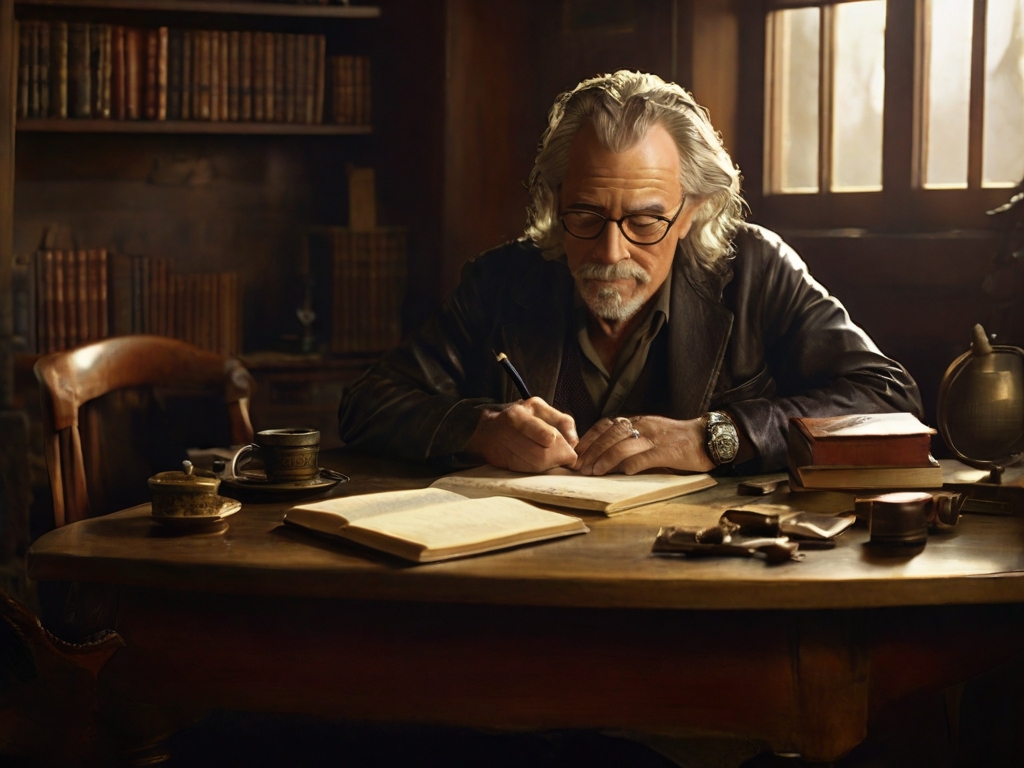
Writing is a deeply personal journey, and each author has their unique set of rituals and habits that contribute to their creative process. Have you ever wondered about the daily routines of your favorite writers and how their practices might inspire your own? Join me on a fascinating exploration of the writing rituals of famous authors and discover valuable lessons you can integrate into your own writing routine.
1. Early Birds and Night Owls: Embracing Your Chronotype
J.K. Rowling’s Early Mornings:
- J.K. Rowling is known for starting her writing day in the early morning. Explore the benefits of embracing the quietude of dawn to kickstart your creativity.
Haruki Murakami’s Late Nights:
- On the flip side, Haruki Murakami prefers to write late into the night. Discover the allure of nocturnal creativity and whether your best ideas emerge under the moonlight.
2. The Sanctuary of Solitude: Finding Your Writing Space
Virginia Woolf’s Room of One’s Own:
- Virginia Woolf emphasized the importance of having a dedicated writing space. Explore how creating a sanctuary for your craft can enhance focus and inspiration.
Ernest Hemingway’s Standing Desk:
- Hemingway stood while writing to maintain alertness and concentration. Consider experimenting with a standing desk to infuse energy into your writing sessions.
3. The Power of Rituals: Creating a Writing Routine
Maya Angelou’s Hotel Writing Ritual:
- Maya Angelou often wrote in hotel rooms with minimal distractions. Learn how altering your environment can cultivate a focused and productive mindset.
Stephen King’s Daily Word Count Goal:
- Stephen King sets a daily word count goal. Explore the benefits of establishing a writing routine based on consistent output to make steady progress.
4. Creative Fuel: Nourishing Your Imagination
Agatha Christie’s Typewriter and Apples:
- Agatha Christie loved to munch on apples while writing. Uncover how small rituals like having a specific snack can become a cue for your brain to enter creative mode.
Joan Didion’s Cigarette and Yellow Paper:
- Joan Didion often wrote with a cigarette in hand. While we don’t endorse smoking, consider experimenting with sensory triggers, like specific scents or textures, to enhance your writing experience.
5. Walking the Muse: Exercise and Inspiration
Charles Dickens’ Daily Walks:
- Charles Dickens was an avid walker, finding inspiration during his daily perambulations. Explore the connection between physical activity and creative thinking.
Neil Gaiman’s Labyrinthine Walks:
- Neil Gaiman prefers meandering walks through unfamiliar places. Discover how changing your walking routine can stimulate fresh ideas.
Crafting Your Writing Symphony
The writing rituals of famous authors are like notes in a symphony, each contributing to the harmonious creation of their literary masterpieces. As you explore these rituals, remember that your writing journey is uniquely yours. Feel free to borrow elements that resonate with you and compose your own symphony of creativity.
So, fellow wordsmiths, embrace the diversity of writing rituals. Whether you find inspiration in the quiet of dawn, the hustle of a bustling café, or the solitude of a late-night session, let the rituals of famous authors inspire and guide you on your own creative odyssey.
 Written