
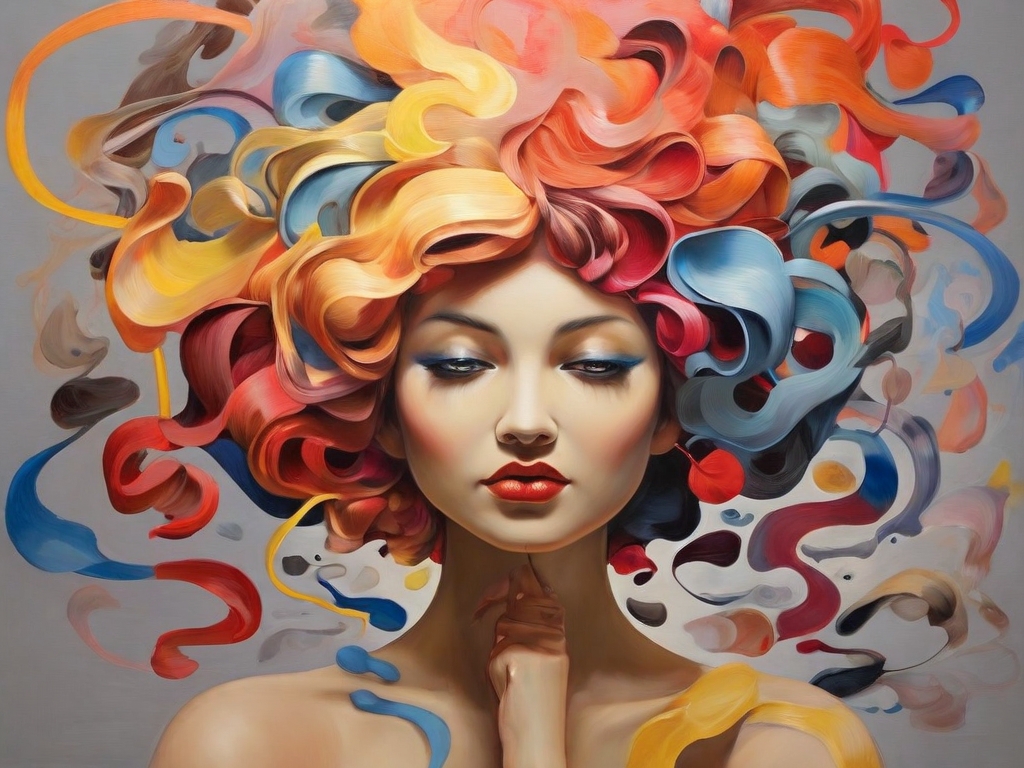
In the vast canvas of human expression, words are our brushes, and language is the palette we use to create vivid and evocative imagery. Just as an artist carefully selects colors to convey emotions and messages, writers too can harness the power of words to paint intricate pictures in the minds of their readers. Join us on a journey into the art of painting with words and discover the magic of the language of color.
The Palette of Emotions: Colors evoke emotions, and words have the same transformative power. When we write, we have the opportunity to choose words that mirror the emotional spectrum. From the warm hues of joy to the cool tones of melancholy, weaving emotions into our writing creates a rich and immersive experience for readers.
Vivid Descriptions: Just as a skilled painter uses detail to bring a scene to life, writers can employ vivid descriptions to enhance their storytelling. Instead of merely stating facts, delve into the specifics of colors, textures, and shapes. This attention to detail transports readers into the heart of the narrative, making the story more tangible and memorable.
Metaphorical Brilliance: Metaphors and similes act as the pigments on a writer’s palette, allowing for the creation of vibrant and imaginative scenes. Compare a bustling city to a tapestry of lights, or describe the silence of a forest as a canvas waiting for the first stroke of dawn. Metaphors infuse your writing with layers of meaning, transforming the ordinary into the extraordinary.
Symbolism in Every Hue: Colors often carry symbolic meanings, and writers can utilize this symbolism to enhance their storytelling. The color red may signify passion and intensity, while blue could represent tranquility and depth. Thoughtful use of color symbolism adds layers of complexity to characters, settings, and themes, creating a narrative that resonates on a deeper level.
Balancing the Palette: Just as an artist balances colors for harmony in a painting, writers must carefully choose their words for coherence in a story. Consider the rhythm, pacing, and tone of your language. A well-balanced palette of words ensures that readers are not overwhelmed but rather led through the narrative with a sense of fluidity and grace.
The Power of Contrast: Contrast in colors brings visual interest to an artwork, and the same principle applies to writing. Play with contrasts in your language – juxtapose light and dark, joy and sorrow, to create a dynamic and engaging narrative. The interplay of contrasts adds depth, keeping readers captivated from one word to the next.
Creating Atmosphere: Colors contribute significantly to the atmosphere of a space, and so do words in the realm of literature. Whether you’re aiming for a mysterious, enchanting forest or a bustling, neon-lit urban landscape, the language you choose sets the stage. Transport readers to different worlds with the atmospheric power of your words.
As writers, we are artists of the written word, and our language is the palette with which we paint the canvas of imagination. By embracing the language of color, we breathe life into our stories, infusing them with emotion, vivid imagery, and layers of meaning. So, let’s pick up our literary brushes, choose our words thoughtfully, and paint worlds that linger in the minds and hearts of our readers long after they turn the last page.
 Written