
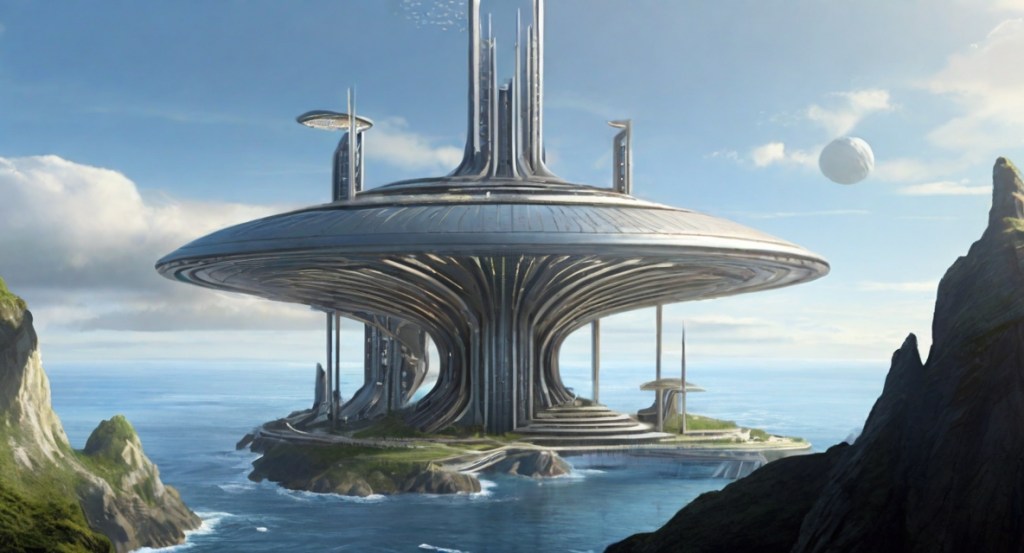
Few genres offer the immersive experience of fantasy and science fiction. These genres transport readers to worlds beyond the ordinary, where the rules of reality bend and creativity knows no bounds. Let’s delve into the art of building fictional worlds, drawing valuable lessons from the vast landscapes of fantasy and sci-fi.
- Foundations of World-Building: The cornerstone of any great fantasy or sci-fi narrative is its world. Start with a strong foundation that includes the rules of magic, the laws of physics, and the societal structures unique to your fictional universe. Consistency is key, ensuring that the world operates within its established parameters.
- Cultural Tapestry: Populate your world with diverse cultures, each with its own history, traditions, and belief systems. Draw inspiration from real-world cultures but infuse them with imaginative elements that make them distinctly part of your fictional realm. A rich cultural tapestry adds depth and authenticity to your world.
- Geographical Diversity: Consider the geography of your fictional world. Are there sprawling cities, vast deserts, or floating islands? The physical landscape shapes the experiences of your characters and influences the narrative tone. Use geography to enhance the visual and emotional impact of your story.
- Technology and Magic Integration: In sci-fi, technology takes center stage, while fantasy often revolves around magic. Integrate these elements seamlessly into your world, exploring how they coexist or clash. Consider the societal implications of advanced technology or magical prowess and their impact on characters’ lives.
- Flora and Fauna Extravaganza: Enrich your world with a diverse array of flora and fauna. Invent creatures that defy earthly biology and plant life that glows with ethereal beauty. The wildlife in your fictional world contributes to its uniqueness and can become integral to the plot.
- Social Hierarchies and Power Dynamics: Explore social structures and power dynamics within your world. Whether it’s a feudal system in a fantasy realm or a complex political landscape in a sci-fi society, delve into the intricacies of power. Consider how these dynamics shape characters’ motivations and relationships.
- Language and Communication: Develop unique languages or communication systems for your world. Even if not fully fleshed out in the narrative, hints of distinct languages or communication styles add authenticity. This attention to detail enhances the immersive experience for readers.
- Temporal Dynamics: Consider how time functions in your fictional world. Does it follow our earthly timeline, or are there variations? Explore the impact of temporal dynamics on characters’ lives, aging, and the pacing of your narrative.
- Cultural Clashes and Alliances: When building multiple cultures within your world, explore the potential for clashes or alliances. Interactions between different societies provide opportunities for conflict, diplomacy, and the exploration of universal themes that resonate with readers.
- Reader Imagination Engagement: While providing detailed descriptions is essential, leave room for the reader’s imagination. Allow them to fill in gaps, fostering a sense of discovery as they explore the intricacies of your world. A balance between detail and open interpretation invites readers to actively engage with the narrative.
Building fictional worlds is an art that requires a fusion of creativity, consistency, and attention to detail. By drawing lessons from the immersive realms of fantasy and sci-fi, you can create worlds that captivate readers and invite them to embark on extraordinary journeys. As you craft your fictional landscapes, remember that the most compelling worlds are those that feel not just fantastical but also undeniably real in their complexity and depth.
 Written