
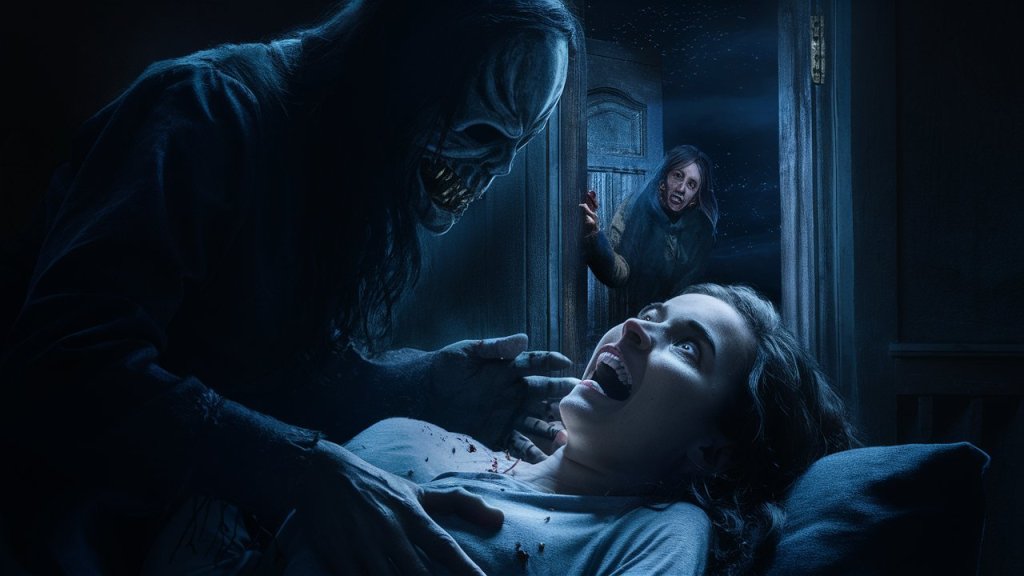
Horror writing is an art form that taps into our deepest fears and anxieties. It’s about creating a sense of dread and suspense that keeps readers on the edge of their seats. Crafting a story that evokes fear is not just about jump scares or graphic descriptions; it’s about building an atmosphere that gradually unsettles the reader. In this blog post, we’ll explore techniques for creating suspense and fear in your horror writing, helping you to craft chilling narratives that linger long after the story is finished.
Understanding the Elements of Horror
What Makes Horror Effective?
Effective horror is rooted in the psychological, tapping into universal fears and personal anxieties. It relies on the following key elements:
- Atmosphere: The overall mood and tone that create a sense of unease.
- Suspense: The tension that keeps readers guessing and anxious about what will happen next.
- Pacing: The rhythm of the story, balancing moments of calm with intense, frightening scenes.
- Characterization: Relatable characters whose fears and reactions mirror those of the reader.
- Setting: A location that enhances the sense of dread and isolation.
Tips for Creating Suspense and Fear
1. Build a Creepy Atmosphere
Sensory Details
Use sensory details to create a vivid, eerie atmosphere. Describe sights, sounds, smells, and textures that evoke discomfort and fear. For example, “The flickering candlelight cast long, dancing shadows on the peeling wallpaper, and the air smelled of damp earth and decay.”
Setting and Environment
Choose settings that naturally evoke fear and unease. Isolated, unfamiliar, or abandoned locations can amplify the sense of dread. For example, an old, deserted mansion or a remote forest shrouded in fog can serve as the perfect backdrop for horror.
2. Develop Relatable Characters
Deep Characterization
Create characters with depth and relatability. Readers are more likely to feel fear if they care about the characters. Develop backstories, motivations, and fears that make your characters three-dimensional and real.
Vulnerability and Flaws
Show your characters’ vulnerabilities and flaws. A character’s fear is more impactful if it stems from a personal weakness or past trauma. For example, a character who is afraid of the dark due to a childhood incident will evoke more empathy and tension.
3. Master the Art of Pacing
Slow Build-Up
Start with a slow build-up to create suspense. Introduce subtle, unsettling details that hint at the horror to come. Gradually escalate the tension, allowing fear to grow naturally. For example, the protagonist might notice strange noises or fleeting shadows before encountering the true horror.
Peaks and Valleys
Balance intense scenes with moments of calm. This ebb and flow of tension prevents the story from becoming monotonous and gives readers a chance to catch their breath before the next scare. Use quieter moments to deepen character development and atmosphere.
4. Utilize Psychological Horror
Fear of the Unknown
Tap into the fear of the unknown. Leave some aspects of the horror unexplained, allowing readers’ imaginations to fill in the gaps. The fear of what might happen can be more terrifying than the horror itself. For example, instead of explicitly describing the monster, hint at its presence through ominous sounds and partial glimpses.
Internal Conflict
Incorporate internal conflict and psychological torment. Characters who doubt their sanity or struggle with inner demons can add layers of fear and complexity. For example, a character haunted by guilt or paranoia can create a tense, unsettling narrative.
5. Use Effective Dialogue and Inner Thoughts
Realistic Dialogue
Craft realistic dialogue that reflects the fear and tension of the situation. Characters should react naturally, expressing their emotions and concerns through their words and actions. For example, short, clipped sentences and frantic speech can convey panic and urgency.
Inner Monologue
Use inner monologue to reveal a character’s fears and anxieties. This technique allows readers to experience the character’s psychological state, deepening the sense of dread. For example, a character’s thoughts racing with worst-case scenarios can heighten the suspense.
6. Create Unpredictable Plot Twists
Red Herrings
Use red herrings to mislead readers and build suspense. Introduce false leads and deceptive clues that keep readers guessing. For example, a seemingly harmless character might turn out to be a key figure in the horror.
Unexpected Twists
Craft unexpected plot twists that defy readers’ expectations. A sudden, shocking revelation can amplify fear and keep readers engaged. For example, revealing that the protagonist’s ally is actually the antagonist can create a sense of betrayal and horror.
Examples of Effective Horror Techniques
Classic Horror Techniques
- Isolation: Placing characters in isolated settings where help is out of reach.
- Foreshadowing: Hinting at future horrors through subtle clues and symbols.
- Claustrophobia: Creating a sense of confinement and lack of escape.
- Subverting the Familiar: Turning everyday objects or settings into sources of fear.
Modern Horror Techniques
- Psychological Horror: Focusing on characters’ mental and emotional states.
- Unreliable Narrator: Using a narrator whose perspective is questionable or skewed.
- Found Footage: Presenting the story through discovered recordings or documents.
- Blending Genres: Combining horror with other genres, such as thriller or sci-fi, to create unique narratives.
Writing horror that genuinely terrifies and captivates readers requires a delicate balance of atmosphere, suspense, pacing, and character development. By focusing on sensory details, developing relatable characters, mastering pacing, utilizing psychological horror, and creating unpredictable plot twists, you can craft horror stories that leave a lasting impact. Remember, the key to effective horror is not just in the scares but in the build-up and the emotional resonance. Embrace the darkness, and let your readers feel the fear.
 Written