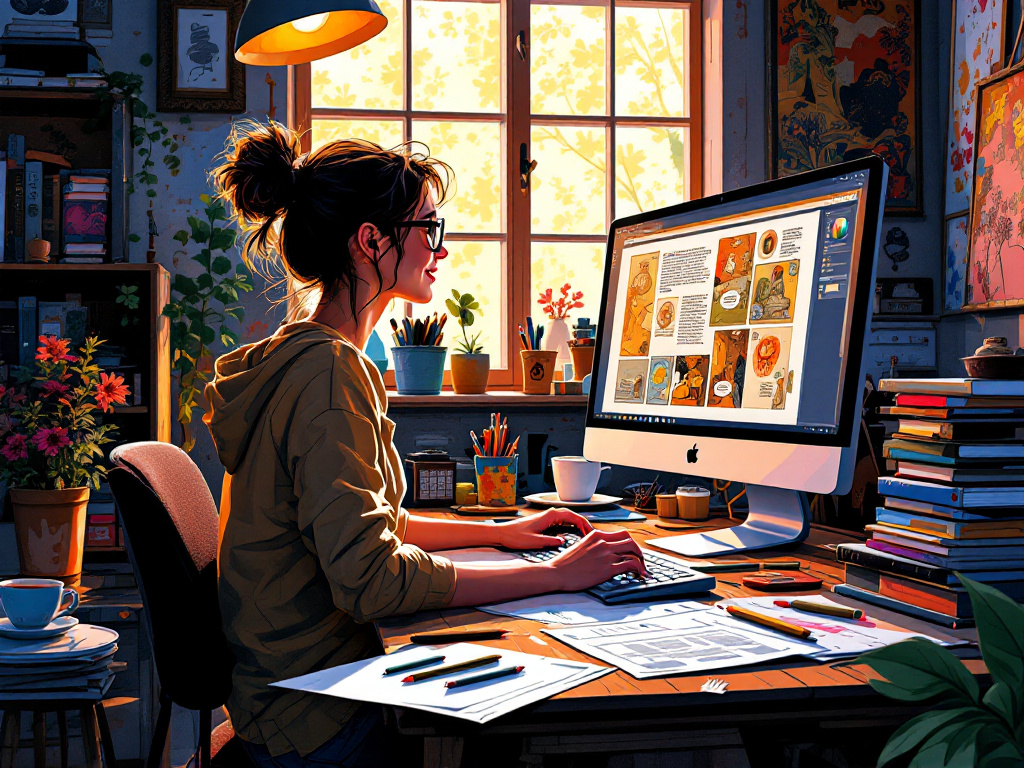
Graphic novels are a powerful storytelling medium that blends visual artistry with compelling narratives. Unlike traditional novels, they rely on a symphony of images, dialogue, and pacing to engage readers. Whether you’re crafting an action-packed superhero saga, a heartfelt coming-of-age story, or an experimental fantasy world, mastering the balance between art and story is essential.
In this guide, we’ll explore the key aspects of writing a graphic novel, from scripting and structure to collaborating with artists and refining your visual storytelling.
1. Understanding the Graphic Novel Format
Graphic novels are more than just long comic books. While both share the sequential art format, graphic novels often have self-contained stories, deeper themes, and structured acts similar to traditional novels.
✅ Types of Graphic Novels
- Superhero Comics (Batman: The Killing Joke, Watchmen)
- Fantasy & Sci-Fi (Saga, Sandman, Monstress)
- Manga & Asian Comics (Akira, Death Note, Fullmetal Alchemist)
- Literary & Memoirs (Maus, Persepolis, Blankets)
- Horror & Thriller (Locke & Key, The Walking Dead)
Before starting, study different styles and determine what best suits your story, themes, and tone.
2. Writing the Graphic Novel Script
A graphic novel script is different from a traditional novel manuscript. It’s written in a format similar to screenplays, with panel descriptions and dialogue. Here’s a breakdown of how to structure it:
📌 Panel Descriptions – Describe the action and setting for each panel clearly but concisely.
📌 Dialogue & Captions – Keep dialogue short and impactful (speech bubbles are limited in space).
📌 Page Layouts – Consider the flow of action and visual storytelling across the page.
📌 Panel Count – Each page typically has 4-8 panels (more panels = faster pacing, fewer panels = more dramatic impact).
💡 Example Script Format:
Page 1, Panel 1:
(A dimly lit alley. A cloaked figure stands in the shadows.)
NARRATION: “Darkness hides many things. Secrets, lies… and monsters.”
Page 1, Panel 2:
(A close-up of the figure’s glowing red eyes.)
FIGURE: “Tonight, I hunt.”
Your script is a blueprint for the illustrator, so be clear yet flexible to allow room for artistic creativity.
3. Collaboration Between Writer and Artist
Unless you’re both the writer and the artist, you’ll be working closely with an illustrator. Communication is key!
👥 Key Aspects of Collaboration:
✔ Be Open to Visual Interpretation – Artists bring their own storytelling flair to the visuals.
✔ Provide Visual References – Help your artist understand your vision.
✔ Understand Panel Composition – Study how images flow naturally in comics.
✔ Keep Page Turns in Mind – Create suspense and dramatic reveals at page flips.
💡 Tip: If you’re not an artist, provide storyboards or rough sketches to help convey panel layouts.
4. Visual Storytelling: Show, Don’t Tell
Graphic novels thrive on visual storytelling, meaning less exposition and more action.
🔥 Techniques for Strong Visual Storytelling:
- Use Facial Expressions & Body Language – A single expression can replace pages of dialogue.
- Symbolism & Color Psychology – Colors and visual motifs enhance mood.
- Panel Size & Shape – Large panels emphasize drama, small panels speed up action.
- Creative Lettering – Sound effects, bold words, and font styles enhance tone.
Example: Instead of saying “The city was in chaos,” show panels of burning cars, panicked crowds, and shattered windows—let the art carry the emotion.
5. Pacing and Panel Layouts
The way panels are arranged influences the rhythm of the story.
📖 Slow Pacing:
- Fewer panels per page
- Wide, cinematic shots
- More environmental details
⚡ Fast Pacing:
- More panels per page
- Quick cuts between scenes
- Diagonal panel shapes for action sequences
Tip: Read Scott McCloud’s Understanding Comics for a deep dive into panel transitions and pacing techniques.
6. Printing, Publishing & Digital Platforms
Once your graphic novel is complete, where do you publish it?
📚 Traditional Publishing – Submit to publishers like Image Comics, Dark Horse, DC, Marvel, or Scholastic Graphix.
🖥 Webcomics & Digital Publishing – Platforms like Webtoon, Tapas, and ComiXology allow independent publishing.
📌 Crowdfunding – Kickstarter and Patreon help finance projects.
Writing a graphic novel is a fusion of literature and art, requiring a keen sense of storytelling, collaboration, and visual pacing. Whether you’re crafting an epic fantasy, a slice-of-life drama, or a pulse-pounding thriller, mastering this format can bring your stories to life in ways traditional novels cannot.
What kind of graphic novel do you want to write? Start outlining your idea today!
 Written