
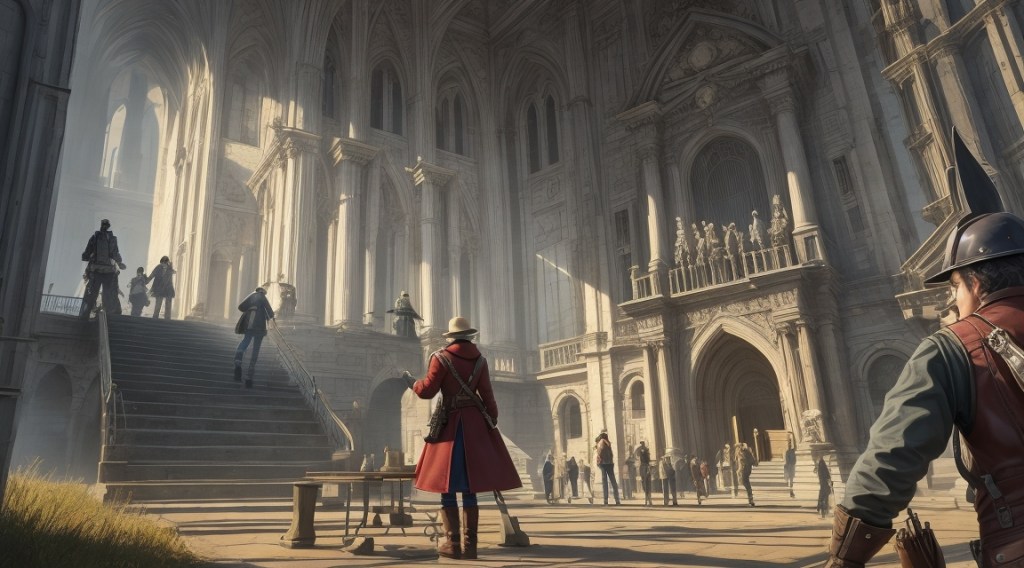
The opening scene of your story is arguably one of the most critical parts of your entire narrative. It’s the first impression you make on your readers, and it sets the tone for everything that follows. A great opening scene hooks readers, establishes mood, introduces characters, and hints at the central conflict—all while leaving them eager for more. But writing an unforgettable opening scene takes more than just throwing readers into action. It requires careful thought and planning. Here’s a guide to crafting an impactful opening scene that will draw your readers in from the first page.
1. Start In Media Res (In the Middle of the Action)
One of the most effective ways to hook readers is to start in the middle of an event, immediately thrusting them into the action or a situation that sparks curiosity. This doesn’t mean you need to begin with an explosion or a fight, but rather, introduce a situation that grabs attention.
For example, your opening scene could feature a character dealing with an unexpected problem or challenge, whether it’s a personal confrontation, an unusual situation, or a mysterious occurrence. This technique works because it forces the reader to ask questions: What’s happening? Why are these characters here? What will happen next?
By starting with a moment of tension or conflict, you can draw readers into your world immediately without overwhelming them with too much information.
2. Introduce Your Protagonist in a Memorable Way
Your readers need to connect with your protagonist as soon as possible. The opening scene should give them an idea of who your protagonist is, what motivates them, and what they might be struggling with. Don’t dump an extensive backstory at the beginning, but do offer enough details to hint at the character’s personality or current situation.
Consider how the first scene of The Hunger Games by Suzanne Collins introduces Katniss Everdeen. Readers meet her as she hunts in the woods—highlighting her skills, her resourcefulness, and her sense of responsibility to her family. This one action-packed scene gives readers an immediate sense of who she is, and it sets the stage for the rest of the novel.
A well-developed character introduction ensures that readers will care about your protagonist and become emotionally invested in their journey.
3. Set the Tone and Mood of Your Story
The tone of your opening scene will give readers an immediate sense of what kind of story they’re about to read. Whether your story is lighthearted, dark, suspenseful, or whimsical, your opening scene should reflect that mood. Use descriptions, dialogue, and pacing to create the atmosphere you want.
For example, if you’re writing a thriller, you might open with a tense, suspenseful moment, where the protagonist is being followed or discovers something unsettling. If you’re writing a comedy, your opening could be humorous, with witty dialogue or a comical situation.
Think about how the tone in the first scene of The Catcher in the Rye by J.D. Salinger sets the mood for the entire book. The sarcastic, irreverent voice of Holden Caulfield immediately tells readers they’re in for a raw, honest, and somewhat cynical coming-of-age story.
4. Establish the Setting
The opening scene should also introduce readers to the world in which your story takes place. Whether you’re writing a fantasy novel set in a magical realm or a contemporary drama in a bustling city, your setting is essential to grounding your readers. But be careful not to overwhelm them with too many details at once.
Instead, weave in small, evocative details that paint a picture without bogging down the pace. Consider how the opening of J.R.R. Tolkien’s The Hobbit describes the cozy, homey setting of Bilbo Baggins’ hobbit hole, quickly establishing both character and world while hinting at the adventure to come.
The key is to immerse readers in the setting naturally, letting them experience the world through the protagonist’s eyes or actions.
5. Introduce or Foreshadow the Central Conflict
While you don’t need to reveal your story’s entire conflict in the opening scene, it’s important to introduce or at least hint at what’s at stake. Conflict is what drives the plot, and readers should have a sense of what challenges the protagonist will face as the story unfolds.
For example, in The Great Gatsby, the opening scene doesn’t directly introduce the main conflict, but it foreshadows the tension and complicated relationships that will drive the story forward. Through Nick Carraway’s reflective narration, readers are introduced to the world of wealth, privilege, and mystery surrounding Jay Gatsby—setting the stage for the events to come.
Your opening scene should raise questions that will be answered later in the story, creating a sense of anticipation and intrigue that keeps readers turning the pages.
6. Use Vivid Descriptions to Create a Strong Visual
One of the most important tasks of an opening scene is to help readers visualize the story as it begins. Vivid, specific descriptions can bring your characters and setting to life, allowing readers to form mental images that will stay with them.
Avoid cliches or overly general descriptions—opt instead for fresh, unique details that make your setting or characters stand out. Use sensory language to help readers not just see the scene but also hear, smell, taste, and feel it.
For instance, in To Kill a Mockingbird, Harper Lee opens with a description of Maycomb, Alabama. Through simple, yet powerful, details, she paints a picture of the sleepy town in the readers’ minds, allowing them to step into the world that will shape the story.
7. Set Up the Stakes
Great opening scenes make it clear that something important is at risk. The stakes don’t have to be fully defined yet, but you should establish that something is at stake for your protagonist. This might be a personal goal, a relationship, or a danger lurking on the horizon. What’s important is to give readers a reason to care about what happens next.
For example, in Divergent by Veronica Roth, the opening scene shows the protagonist, Tris, preparing for her faction test—a test that will decide her entire future. From the start, readers understand that this decision will shape the rest of the story, and the stakes are high.
8. Use Dialogue to Show Character and Conflict
Well-written dialogue can do a lot of heavy lifting in an opening scene. It can introduce characters, set the tone, and provide hints of the central conflict. Dialogue is also a great way to show, rather than tell, your character’s personality, relationships, and motivations.
Consider the opening scene of Pride and Prejudice by Jane Austen. The witty, playful banter between Mr. and Mrs. Bennet immediately gives readers insight into their relationship and the societal pressures that will drive much of the story. Dialogue here sets the stage for the drama, conflict, and romance that follows.
9. Create an Emotional Connection with the Reader
To keep readers engaged from the very beginning, it’s essential to establish an emotional connection with them. Whether it’s through a character’s internal conflict, an intriguing situation, or a moment of vulnerability, your opening scene should give readers a reason to care.
Readers connect with characters who feel real, and this connection often begins in the first scene. Whether your protagonist is experiencing fear, joy, confusion, or anger, their emotions should resonate with the reader on some level. If your reader cares about the character, they’ll want to keep reading to find out what happens next.
10. Leave the Reader Wanting More
A great opening scene should leave readers with questions, curiosity, or a desire to see what happens next. This doesn’t mean you need a cliffhanger, but you should create enough tension or intrigue that the reader feels compelled to keep turning the pages.
You might leave the reader with a mystery to unravel, a problem to solve, or an emotional conflict that needs resolution. The key is to hook the reader with a sense of anticipation.
Writing a great opening scene is all about balance: setting the stage, establishing character, and drawing the reader into the story without overwhelming them with information. By starting in the middle of the action, introducing your protagonist, setting the tone, and hinting at the central conflict, you can craft an engaging and memorable beginning that keeps readers hooked. Remember, the opening scene is your first (and sometimes only) chance to capture a reader’s attention, so make it count.
 Written